


Home Is More Than a Place: How Grace Manor Helps Preserve Family Relationships Through Dementia

One of the hardest parts of moving a loved one into memory care isn't packing their belongings—it's carrying the emotional weight of wondering, "Will they still know I'm their person?"
At Grace Manor, we believe that dementia changes the brain, but it doesn't erase the need for love, connection, or belonging. In fact, those needs often become even more important.
Recently, we welcomed a new resident who has spent a lifetime making her own decisions. Like many people in the early and middle stages of dementia, she is experiencing a heartbreaking combination of changes. Her memory is changing. Her mobility is changing. And perhaps most difficult of all, her independence feels like it's slipping away.
When someone has spent decades taking care of themselves and their family, accepting help can feel like losing a piece of who they are.
At the same time, she misses her family deeply. Although she is now in a safe environment where her daily needs are met, the emotional transition is real. The comfort of familiar faces, routines, and relationships cannot simply be replaced by a new building or new caregivers.
That's why our goal is never to replace family.
Our goal is to strengthen families.
Dementia Doesn't Follow a Calendar
One of the biggest misunderstandings about dementia is believing that people experience life in a straight timeline.
They often don't.
A person living with dementia may not remember that they moved into Grace Manor last week. They may feel as though they should be home preparing dinner, waiting for their spouse to arrive from work, or picking up children from school. Their emotional reality is happening *right now*, even if it reflects another chapter of their life.
Rather than arguing with those feelings or repeatedly reminding someone of facts they cannot retain, we meet them where they are.
Their emotions are real.
Their need for comfort is real.
And those moments become opportunities for connection instead of correction.
Family Is Part of the Care Team
Transitions into memory care are easier when families remain active participants.
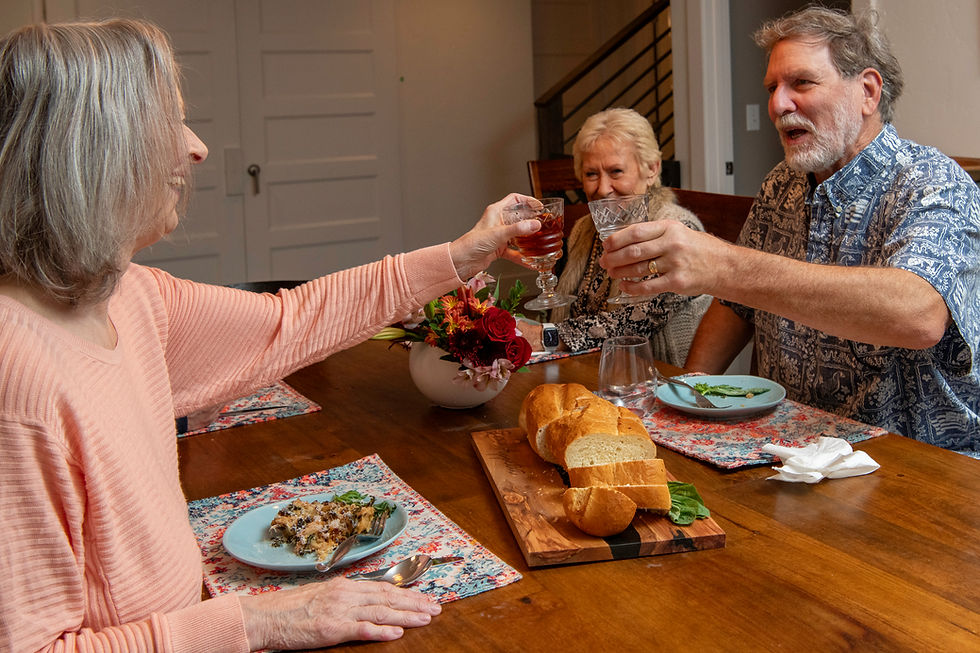
Sometimes that means sharing meals together.
Sometimes it means helping decorate a bedroom with familiar treasures.
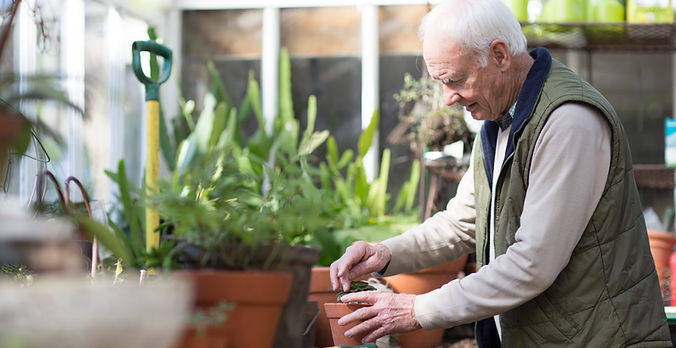
Sometimes it means folding laundry together, watering flowers, baking cookies, looking through old photographs, or simply sitting quietly while holding a hand.
These moments aren't "just visits."
They are opportunities to preserve identity.
When families continue doing familiar activities instead of focusing only on conversation, pressure disappears. There is no expectation to remember names, dates, or recent events. Instead, both the resident and family member can simply enjoy being together.
We Focus on What Matters Most
At Grace Manor, we don't measure success by whether someone remembers yesterday.
We measure success by whether they feel safe today.
Do they feel loved?
Do they feel valued?
Do they feel like they still have purpose?
These are the moments that matter.
Whether someone is helping set the table, folding towels, watering the garden, singing an old favorite song, or laughing with grandchildren, those experiences create joy—even if they aren't remembered tomorrow.
The feeling remains.
You Don't Have to Walk This Journey Alone
Watching dementia change someone you love is one of life's greatest challenges. Families often carry guilt, grief, and uncertainty while trying to make impossible decisions.
At Grace Manor, we walk alongside you.
We learn who your loved one has always been, not just who they are today. We encourage families to stay involved in meaningful ways, helping preserve relationships while reducing the stress that often comes with caregiving.
Because although dementia changes many things, it does not change this:
Every person deserves to feel known.
Every family deserves support.
And every relationship still has the opportunity to grow in new and meaningful ways.


Comments