


Creating Meaningful Social Events for People Living With Dementia


At Grace Manor, social connection is viewed as an essential part of quality care for people living with dementia. Through an integrated care model that combines compassionate caregiving,
behavioral support, community involvement, wellness programming, and individualized engagement, Grace Manor focuses on creating meaningful opportunities for residents to remain socially connected, emotionally supported, and actively involved in daily life. While memory changes and communication challenges can make traditional gatherings more difficult, thoughtfully planned social events can provide comfort, joy, stimulation, and a strong sense of belonging. Families, caregivers, community organizations, and support professionals all play an important role in creating environments where people with dementia can continue to engage socially with dignity and confidence.
Grace Manor believes dementia care should go beyond meeting basic needs. True quality of life includes dignity, purpose, relationships, and meaningful experiences. Social events are designed not only as activities, but as therapeutic opportunities that support emotional wellness, reduce isolation, and strengthen community connections for residents and their families.
The Grace Manor integrated care model brings together caregivers, behavioral support professionals, healthcare providers, activity coordinators, and family members to create personalized social experiences that meet each resident where they are.
Why Social Events Matter
People living with dementia often experience isolation as their condition progresses. Friends may stop visiting, community activities may become overwhelming, and families may feel uncertain about how to include their loved one in social settings. However, research and lived experience consistently show that social interaction can help:
Reduce feelings of loneliness and depression
Encourage cognitive stimulation
Improve mood and emotional well-being
Promote physical activity and engagement
Strengthen relationships with caregivers and loved ones
Preserve a sense of identity and purpose
The goal of dementia-friendly social events is not perfection or performance. The goal is connection.
Understanding the Needs of Participants
When planning events for people with dementia, it is important to recognize that every individual experiences dementia differently. Some participants may enjoy active conversations and group games, while others may prefer quiet music, art, or sensory experiences.
Successful events often include:
Familiarity
People with dementia frequently respond positively to familiar music, foods, routines, and themes from earlier periods of life.
Simplicity
Complex instructions, loud environments, or fast-paced activities can increase anxiety and confusion. Simple activities with clear directions help participants feel comfortable.
Comfort and Safety
Physical accessibility, proper lighting, comfortable seating, and quiet spaces are essential.
Flexibility
Participants may tire easily or become overstimulated. Events should allow people to participate at their own pace.
Social Programming Through the Grace Manor Integrated Care Model
Music and Memory Gatherings at Grace Manor
Music has a unique ability to connect with emotional memory. Hosting sing-alongs, live music sessions, or themed music afternoons can create joyful and emotional moments.
Ideas include:
Decade-themed music nights
Community choirs
Karaoke with familiar songs
Drum circles or rhythm activities
Dance socials with simple movement
Creative Expression and Art Therapy
Creative expression does not depend on memory. Art events provide opportunities for self-expression and relaxation.
Activities can include:
Painting and watercolor sessions
Collage making
Seasonal crafts
Clay sculpting
Group murals
The focus should always be on participation rather than artistic skill.
Intergenerational and Community Connection Events
Bringing together children, teens, and older adults can create meaningful interactions and reduce stigma around dementia.
Examples include:
Story-sharing activities
Holiday crafts
School choir performances
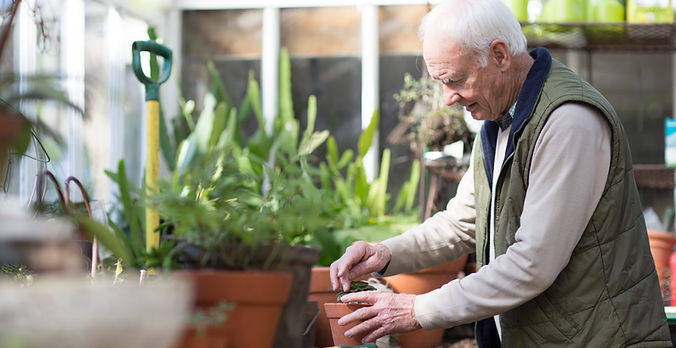
Gardening projects
Reading circles
These events often create moments of laughter, warmth, and mutual understanding.
Sensory Wellness and Relaxation Activities
Some individuals with dementia may benefit more from calm sensory experiences.
Consider:
Aromatherapy sessions
Pet therapy visits
Nature walks
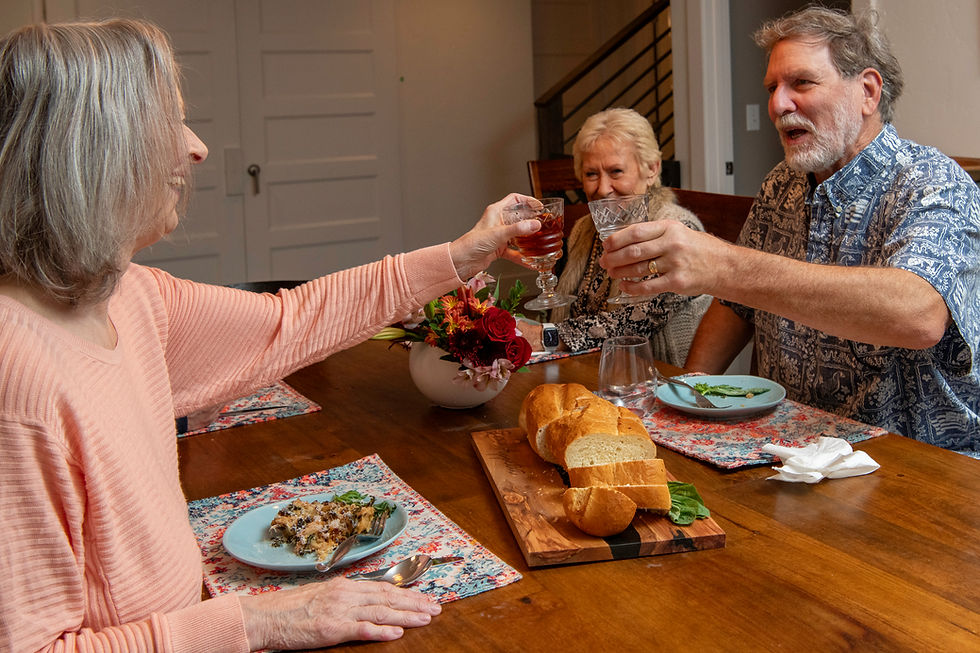
Tea socials
Gentle yoga or chair exercise classes
Creating a peaceful environment can help reduce stress and agitation.
Inclusive Holiday and Community Celebrations
People with dementia should continue to feel included in holidays and community traditions.
Simple adaptations can make celebrations more accessible:
Shorter event durations
Reduced noise levels
Clear signage
Structured schedules
Quiet retreat areas
Even small gatherings can provide a strong sense of connection and belonging.
How Grace Manor Creates Successful Dementia-Friendly Events
Communicate Clearly
Use simple language, visual cues, and gentle reminders. Avoid correcting participants if they become confused.
Train Volunteers and Staff
Anyone assisting with the event should understand dementia basics, including communication techniques and how to respond calmly to distress.
Encourage Caregiver Participation
Caregivers also benefit from social support and community connection. Events that welcome both caregivers and participants help strengthen support networks.
Focus on Feelings, Not Facts
Participants may not remember details after the event, but they often remember how the experience made them feel.
Keep Activities Inclusive
Choose activities that allow participants of different ability levels to engage successfully.
Building a Dementia-Friendly Community Through Integrated Care
At Grace Manor, dementia care is approached as a partnership between residents, families, caregivers, healthcare professionals, and the broader community. The integrated care model recognizes that emotional wellness, social inclusion, physical health, and behavioral support all work together to improve outcomes and overall quality of life.
Communities become stronger when they create spaces where people living with dementia remain visible, valued, and included. Social events are not simply entertainment; they are opportunities to preserve dignity, encourage human connection, and reduce the stigma surrounding dementia.
Libraries, senior centers, churches, nonprofits, care providers, and local businesses can all contribute by offering inclusive programming and welcoming environments.
Final Thoughts on the Grace Manor Approach
Living with dementia does not mean losing the desire for friendship, laughter, creativity, or community. Meaningful social events remind people living with dementia — and their families — that connection is still possible.
Through thoughtful planning, compassionate caregiving, behavioral support, and meaningful social engagement, Grace Manor continues to create experiences that celebrate individuals for who they are today while honoring the lives and memories they carry.
Every conversation, song, smile, and shared moment matters.


Comments